
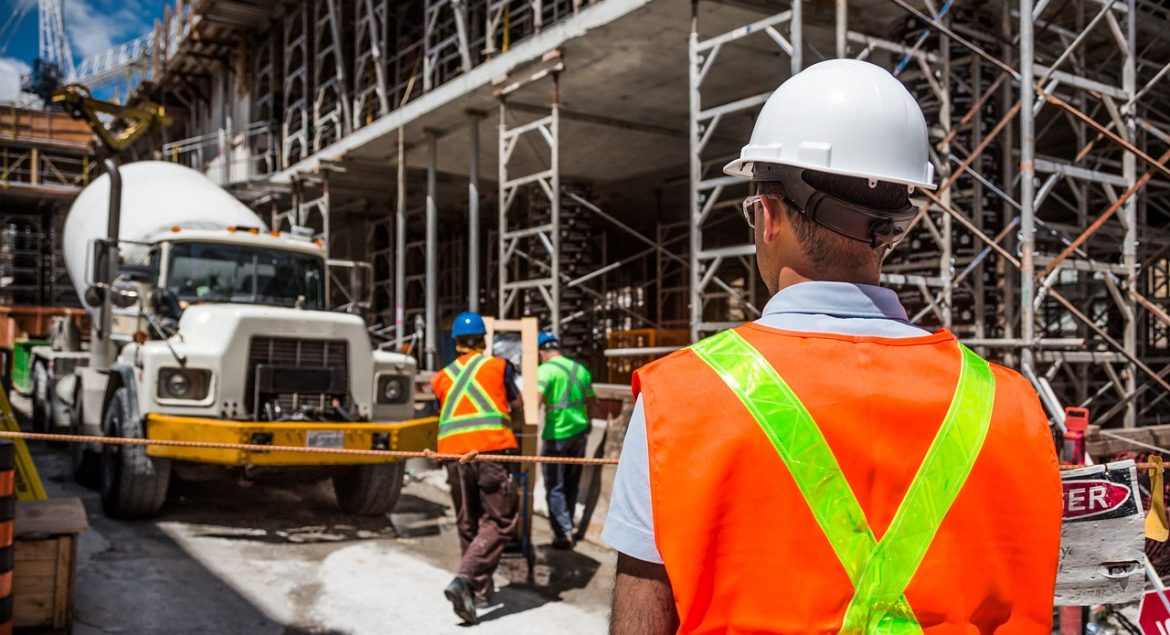
How to Choose the Right Safety Helmet for Construction Work
Construction sites are full of potential hazards, from falling objects and flying debris to electrical risks and accidental impacts. One of the most important pieces of personal protective equipment (PPE) for construction workers is a safety helmet.
However, choosing the right helmet is not simply about finding one that fits comfortably. The helmet should provide the appropriate level of protection for the specific hazards present on the job site while also being comfortable enough to wear throughout the working day.
Why Is a Safety Helmet Important?
A safety helmet is designed to help protect a worker’s head from injuries caused by falling objects, impacts, and other workplace hazards. Depending on its design and certification, a helmet may also provide protection against electrical hazards or allow additional PPE, such as face shields and hearing protection, to be attached.
Wearing the correct helmet can be an essential part of a comprehensive workplace safety program.
Key Factors to Consider When Choosing a Safety Helmet
1. Identify the Hazards on the Job Site
The first step is to understand the risks workers may encounter.
For example, construction workers may face:
Falling tools or materials
Impact from equipment or structures
Electrical hazards
Flying particles and debris
Working at height
Exposure to extreme weather conditions
The helmet should be selected according to the hazards identified in the workplace risk assessment.
2. Check the Required Safety Standards
Always choose a helmet that complies with the safety standards required in your country, industry, or workplace.
Look for the appropriate certification markings and make sure the helmet is approved for the intended application. Standards can differ depending on the region, so employers should verify the applicable requirements before purchasing PPE.
3. Choose the Correct Helmet Type
Safety helmets come in different designs and configurations.
Some models are designed primarily for protection against impacts from falling or flying objects, while others offer additional protection for specific hazards. Helmets intended for electrical work, for example, may have specific requirements regarding electrical insulation.
The correct type depends on the job and the hazards identified.
4. Make Sure It Fits Properly
A helmet cannot provide effective protection if it does not fit correctly.
Look for a model with an adjustable suspension or retention system. The helmet should sit securely on the head without being excessively tight or loose.
A proper fit should allow the worker to move naturally without the helmet shifting or falling off.
5. Consider Comfort and Ventilation
Construction workers may wear their helmets for many hours at a time. Comfort therefore plays an important role in consistent PPE use.
Features such as:
Adjustable headbands
Lightweight construction
Ventilation
Sweat-absorbing components
Comfortable padding
can make a helmet easier to wear for extended periods.
However, ventilation should only be considered when it is compatible with the protection required for the specific work environment.
6. Check Compatibility With Other PPE
Workers may need to wear additional protective equipment, such as safety glasses, face shields, hearing protection, respirators, or other accessories.
Before purchasing a helmet, check whether it is compatible with the other PPE used on the site. Some helmets are specifically designed with attachment points for approved accessories.
7. Inspect the Helmet Regularly
Even a high-quality helmet needs regular inspection.
Workers should check for signs of:
Cracks or damage
Deformation
Excessive wear
Damaged suspension components
Missing or damaged accessories
Signs of chemical or environmental deterioration
A damaged helmet should be removed from service according to the manufacturer’s instructions and workplace procedures.
8. Follow the Manufacturer’s Instructions
Every safety helmet has specific instructions regarding use, cleaning, storage, inspection, and replacement.
Do not modify the helmet by drilling holes, painting it with unapproved substances, or making other changes unless the manufacturer specifically permits them. Modifications can affect the helmet’s protective performance.
How Often Should a Safety Helmet Be Replaced?
There is no single replacement period that applies to every safety helmet. Replacement depends on the manufacturer’s instructions, the condition of the helmet, how it is used, and the conditions to which it has been exposed.
A helmet should be replaced immediately if it has been damaged or involved in an event that may have compromised its protective performance.
Always follow the manufacturer’s replacement recommendations and your company’s PPE policy.
Final Thoughts
Choosing the right safety helmet is an important part of protecting construction workers from head injuries. The best choice depends on the hazards present, applicable safety standards, proper fit, comfort, compatibility with other PPE, and the manufacturer’s requirements.
Before selecting a helmet, employers and workers should assess the work environment and make sure the chosen product provides the protection required for the job.
Safety should always come first—choose PPE based on the actual hazards, applicable standards, and manufacturer’s instructions.
